
Faith Over Fixes: God’s Answer to Substance Dependence and Cravings

First, why do we need to talk about risky substances?
Well, risky substances are risky because they affect your health negatively. These are substances that, when consumed in excess quantities, could cause you to live at less than your best.
I think that taking the time to talk about this topic is important because leading a healthy lifestyle goes beyond eating, moving, and sleeping properly. It also means making choices that protect our body and mind from harm.
Tobacco, alcohol, and recreational drugs may offer short-term relief or pleasure, but their long-term consequences are often severe and life-limiting.
Sugar and salt, on the other hand, may not seem like the rest; however, excess consumption has actually been linked to increased morbidity and mortality.
In essence, health stewardship is holistic. What follows summarizes why dependence happens, the costs to body and soul, and how God’s grace—with real, practical steps—sets us free.
Why we get dependent: brain, habit, and circumstance

Dependence is rarely just a moral failing. It’s a learned pattern—biological, psychological, and social:
Brain reward loops: Many substances (nicotine, alcohol, drugs, and to an extent sugar and highly palatable salty/fatty foods) stimulate dopamine and other reward pathways. Dopamine signals pleasure and teaches the brain to repeat the behavior. Over time, that wiring becomes stronger.
Tolerance & withdrawal: Repeated use often requires larger amounts to get the same effect (tolerance). Stopping can cause unpleasant withdrawal, which pushes people back to the substance.
Conditioning & context: Habits form around cues—time of day, social situations, stress, boredom, or painful memories. The same environment and emotions can trigger cravings.
Emotional coping: People frequently reach for substances to manage stress, trauma, anxiety, loneliness, or sleep problems. The temporary relief becomes a repeating solution.
Social & cultural forces: Availability, peer pressure, marketing, and cultural norms normalize use and make dependence more likely.
Understanding these mechanisms helps us respond with compassion and strategy—not shame.
The Health Costs (A Quick Summary)
All these substances threaten vitality in different but overlapping ways:
Tobacco: raises risk for lung cancer, COPD, heart disease, stroke; harms infants through second- and third-hand smoke.
Alcohol: liver disease (fatty liver, cirrhosis), high blood pressure, certain cancers, depression, accidents, and alcohol use disorder.
Recreational drugs (including heavy cannabis use): cognitive decline in young brains, anxiety, psychosis in vulnerable people, overdose risk, and life disruption.
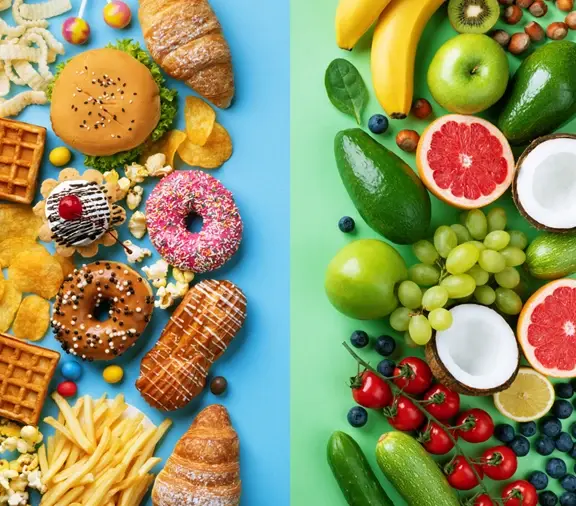
Excess sugar: weight gain, insulin resistance/type 2 diabetes, fatty liver, inflammation, mood swings, and energy crashes.
Excess salt: high blood pressure, fluid retention, kidney strain, increased cardiovascular risk.
Each of these undermines the Temple God has given us and shortens the margin we have for life, ministry, and relationships.
The Spiritual Implications
Dependence is not only physiologic—it’s spiritual.
Bondage vs. freedom: Scripture warns us about being mastered by anything (1 Corinthians 6:12). Dependence diminishes freedom and chokes out the life God intends for us.
Idolatry of comfort: When we continually turn to substances for comfort, they can become idols—substitutes for the comfort and presence of God.
Loss of stewardship: We are called to steward our bodies, minds, and time. Persistent substance use often robs us of that stewardship.
Hope and grace: Scripture also promises grace for change—God’s power to renounce ungodliness and live self-controlled lives (Titus 2:11–12). God does not condemn the struggler; He meets the struggler with help, healing, and community.
God’s Grace + Practical Steps = A Way Forward

Grace is not passive. It empowers obedience. The Christian journey to experiential freedom combines spiritual dependence on God with practical, evidence-based action.
Spiritual practices anchor your change in God
Abide in God’s presence. We are transformed into the image we behold.
Entrust the struggle to God and pray for strength from Him
Tell a trusted friend you can be accountable to
Cultivate the fruit of the Spirit, especially self-control
Use Scripture as a lifeline: “No temptation has overtaken you… God will provide a way out” (1 Cor. 10:13).
Lifestyle pillars to replace dependence
Move daily — exercise is a powerful, natural mood stabilizer.
Sleep well — restorative sleep reduces cravings and bad decisions.
Eat whole foods — reducing processed sugar and salt recalibrates taste and mood.
Mindfulness & breathwork — tools to interrupt the urge-and-react loop.
Creative outlets — music, journaling, and art channel emotions without substances.
Therapy, friends & community — talk therapy and relational support help unpack triggers.
Protective, practical habits
Surround yourself with people who support healthy choices.
Have a plan for social situations that involve substances.
Learn to say “no” confidently.
Replace harmful habits with meaningful routines.
Seek professional support early. It is never too late to change.
Create structure and purpose in your day.
Small steps that work
Track intake for 3 days to see patterns.
Cut the big offenders first (soda, fast food, cigarettes, binge drinking, illicit drug use).
Make swaps (water instead of soda, herbs instead of salt, oats instead of sugary cereal).
Gradual reduction resets palate and tolerance—avoid cold, shame-driven perfectionism.
Use medical supports when needed: nicotine replacement, medications for AUD or opioid use disorder, supervised detox for severe withdrawal. Professional help saves lives.
Join community: faith-based recovery groups (Celebrate Recovery, church-based support) or medical groups/AA/SMART Recovery.
A Hope-filled Word
Dependence is complex. It is biological, psychological, social, and spiritual.
That means the solution is also multi-dimensional:
God’s grace + honest confession + practical change + community + professional care.
None of us is beyond help. As you steward your body—the temple of the Holy Spirit—remember that small faithful steps matter. Track one pattern this week. Make one practical swap. Ask one trusted friend or clinician for help. God meets the humble and empowers the willing.
I love you,
Oyin.


Bussin’